Car Accident Claims
What Is Subrogation in a Car Insurance Claim?
Subrogation is when your insurer steps into your shoes to recover what it paid from the at-fault driver. Here's what it means, why it matters, and how it affects your claim.
By Crash & Cover Editorial Team · June 14, 2026 · 9 min read
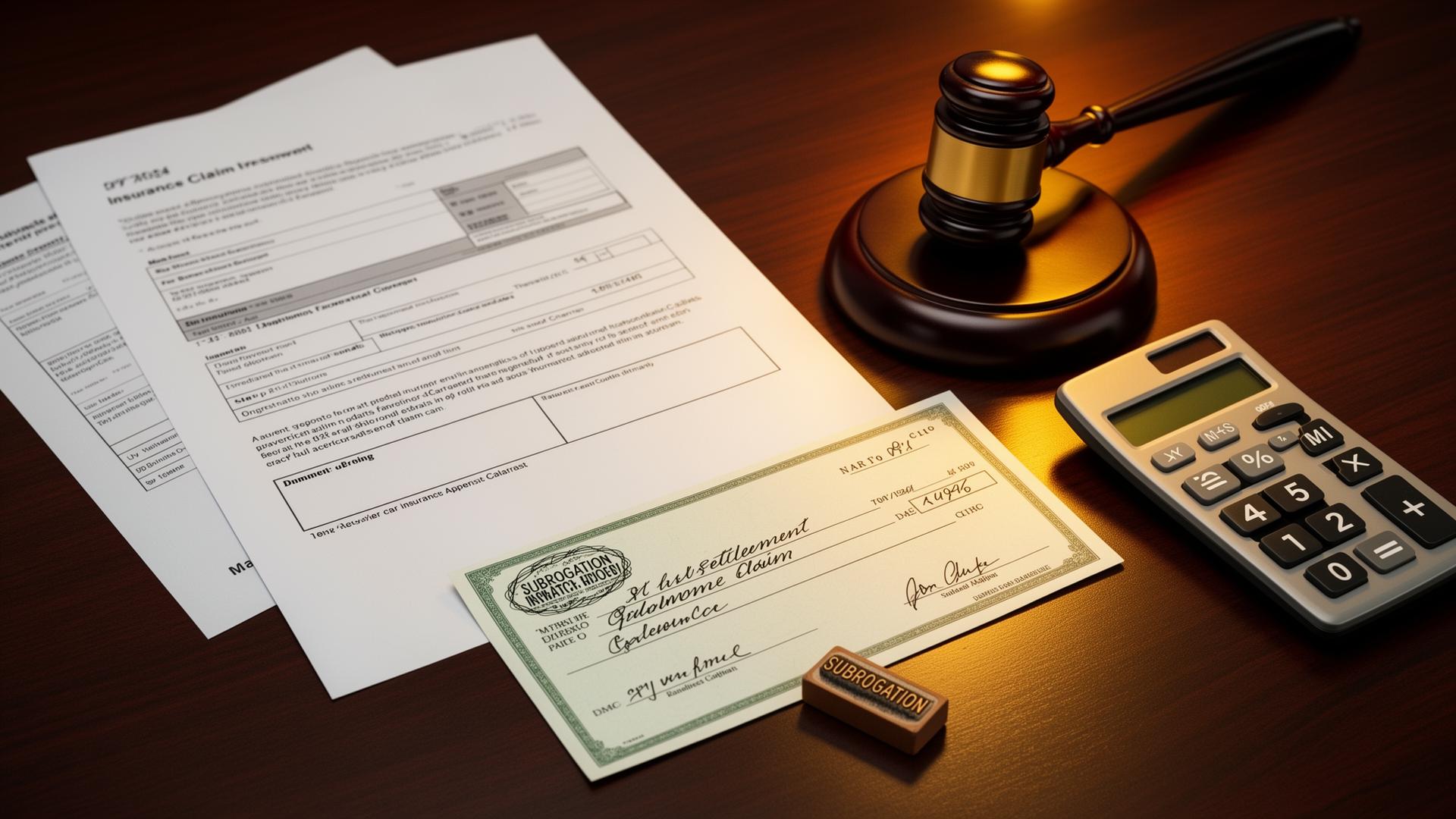
Quick Answer: Subrogation is when your insurance company, after paying your claim, steps into your shoes to recover that money from the at-fault driver or their insurer. For you it mostly happens behind the scenes — and if it succeeds, you may get your deductible back. Your main job is to cooperate and avoid signing away those rights.
Key Takeaways
- Subrogation is your insurer recovering what it paid from the at-fault party after settling your claim.
- It usually happens between insurance companies, after your repairs are done — you often hear little about it.
- If your insurer recovers, it must try to get your deductible back and refund it, sometimes in full and sometimes prorated to your share of fault.
- Don't sign a release or a "waiver of subrogation" with the other side without checking first — it can cost you your deductible refund and even your own coverage.
- For injury claims, a "made whole" rule in many states can limit what a health insurer takes from your settlement until you're fully compensated.
- Recovery can take months; cooperating with your insurer keeps it moving.
What does subrogation actually mean?
In plain English, subrogation is the process where one party takes over another's legal right to recover money. The Cornell Law School Legal Information Institute describes it as one party assuming the legal rights of another — for example, when an insurer pays a policyholder for an injury, the policyholder's right to sue the at-fault person can be transferred to the insurer. People in the industry often shorten it to "subro."
Why does it exist? It keeps the cost of a crash where it belongs — on the driver who caused it — rather than on you or your own insurer. It also prevents you from being paid twice for the same loss, and by pushing costs back to the at-fault side, it helps hold premiums down across the board.
How does subrogation work after a car accident?
Here's the typical sequence when you're not at fault but use your own coverage to get moving quickly:
- You file a claim and your insurer pays. Under coverage like collision, your insurer pays for your repairs (usually after your deductible) so you're not stuck waiting.
- Your insurer investigates fault. Once costs are covered, the adjuster reviews the crash to decide who was responsible.
- Your insurer pursues the at-fault side. If the other driver was at fault, your insurer demands reimbursement from that driver's insurer for what it paid out.
- The matter resolves — and you're notified. The insurers negotiate (or go to arbitration). If your carrier decides to pursue recovery, it's generally required to let you know.
Most of this happens insurer-to-insurer, in the background. If you're wondering why your claim seems to drag, our explainer on why a claim takes so long covers what's usually going on.
Will I get my deductible back?
Often, yes — if the recovery succeeds. When your insurer pursues subrogation, it's generally expected to try to recover your deductible as part of the process and refund it to you if it collects. The refund may be the full amount or only part of it, depending on how much is recovered.
Fault matters here. If the investigation finds you were partly to blame, your deductible refund is usually prorated to the other side's share of fault. For example, if you're found 40% at fault, you'd typically be entitled to a refund of about 60% of your deductible. Because shared blame can shrink what you recover, it helps to understand how comparative fault works.
One caveat: if the at-fault driver was uninsured or has no assets to collect from, recovery — and your deductible refund — may not happen at all. After a total loss, the same deductible-recovery rules apply to what your insurer paid out.
What should you do — and not do?
Your part is usually small but important. Almost every policy includes a duty to cooperate, so respond to your insurer, provide your statement and photos, and forward any paperwork from the other side.
The bigger trap is what you sign. Be very careful before agreeing to any settlement or release with the other driver or their insurer. Some releases include a "waiver of subrogation," which blocks your insurer from getting reimbursed for what it paid you. Sign the wrong document and your insurer may refuse part of your claim, since it can no longer recover from the at-fault party. Read the fine print, and when in doubt, run it past your insurer first. The same caution applies to recorded statements and quick offers — see the common adjuster tactics to watch for.
Subrogation and injury claims: health insurers, MedPay, and the "made whole" rule
Subrogation isn't just about car repairs. If your health insurer or your auto policy's MedPay coverage paid your accident-related medical bills, it may later claim part of your injury settlement as reimbursement — often called a lien. That can quietly shrink your net recovery.
Many states limit this with a "made whole" rule: your insurer generally can't take from your settlement until you've been fully compensated for all your damages, not just the bills it paid. So if your total damages far exceed what you recover — for instance, because the at-fault driver's policy limits were low — the insurer may be entitled to little or nothing. The rule varies by state, can sometimes be waived by clear policy language, and frequently does not apply to self-funded employer health plans governed by the federal ERISA law, which often have stronger recovery rights.
Because these liens are negotiable and the rules are complex, many people with a sizable injury settlement find it worthwhile to have an attorney review the plan documents and negotiate the lien down. If part of your claim was denied, our guide on fighting a denied claim may help — and keep your filing deadline in mind throughout.
How long does subrogation take, and does it affect me?
It's usually the last stage of a claim, and it can run long — months, and in some cases six months or more just to recover a deductible, well after your car is back on the road. Subrogation itself is a recovery process between insurers; it doesn't put points on your driving record. Whether your premium changes after a crash depends mainly on fault and your claims history, not on the subrogation step. The most useful thing you can do is respond promptly when your insurer asks for something, so the process doesn't stall.
Frequently asked questions
What is subrogation in simple terms?+
It's when your insurance company, after paying your claim, takes over your right to recover that money from the driver who caused the crash (or their insurer). In short, your insurer steps into your shoes to get reimbursed.
Will I get my deductible back through subrogation?+
If your insurer recovers from the at-fault side, it's generally expected to try to refund your deductible — in full or in part, depending on the amount recovered and your share of fault. It can take months, and it may not happen if the at-fault driver was uninsured or has no assets.
Do I have to do anything during subrogation?+
Usually just cooperate: respond to your insurer, provide your statement and photos, and forward paperwork from the other side. Importantly, don't sign a release or "waiver of subrogation" with the other driver or insurer without checking first, because it can cost you your deductible refund and even your coverage.
What is the "made whole" rule?+
In many states, your insurer generally can't take reimbursement from your settlement until you've been fully compensated for all your damages. If your losses exceed what you recovered, the insurer may get little or nothing. Rules vary by state, and self-funded ERISA health plans may not be bound by them.
Does subrogation raise my insurance rates?+
Subrogation itself is a recovery process between insurers and doesn't add points to your record. Whether your premium changes after an accident depends mainly on fault and your claims history, not on the subrogation step.
Continue reading
Sources
Have you ever filed a car insurance claim?
Share your experience or send us a tip — we read every email, and your input helps shape what we cover next.
Send us your storyMore from Crash & Cover

How to File a Claim Against the Other Driver's Insurance
If another driver caused your accident, you can file a third-party claim directly with their insurer. Here's how the process works, what to expect, and when to involve your own insurance.
Crash & Cover Editorial Team · Jul 3, 2026 · 8 min

How to File a Comprehensive Insurance Claim (Hail, Flood, Theft, and Animal Strikes)
Comprehensive coverage pays for hail, flood, theft, vandalism, fire, falling objects, and animal strikes — but not collisions. Here is exactly what qualifies, how to file, and what it does to your rate.
Crash & Cover Editorial Team · Jun 21, 2026 · 11 min

What Is a Diminished Value Claim — and Can You File One?
Even after perfect repairs, a car with an accident on its history is worth less. Here's how diminished value claims work, who qualifies, and how to push back on low offers.
Crash & Cover Editorial Team · Jun 15, 2026 · 11 min