Car Accident Claims
The First 72 Hours After a Car Accident: An Hour-by-Hour Timeline
What you do in the first 72 hours — from the scene through the critical days that follow — shapes your health, your claim, and your compensation. Here's the complete hour-by-hour timeline.
By Crash & Cover Editorial Team · May 28, 2026 · 18 min read
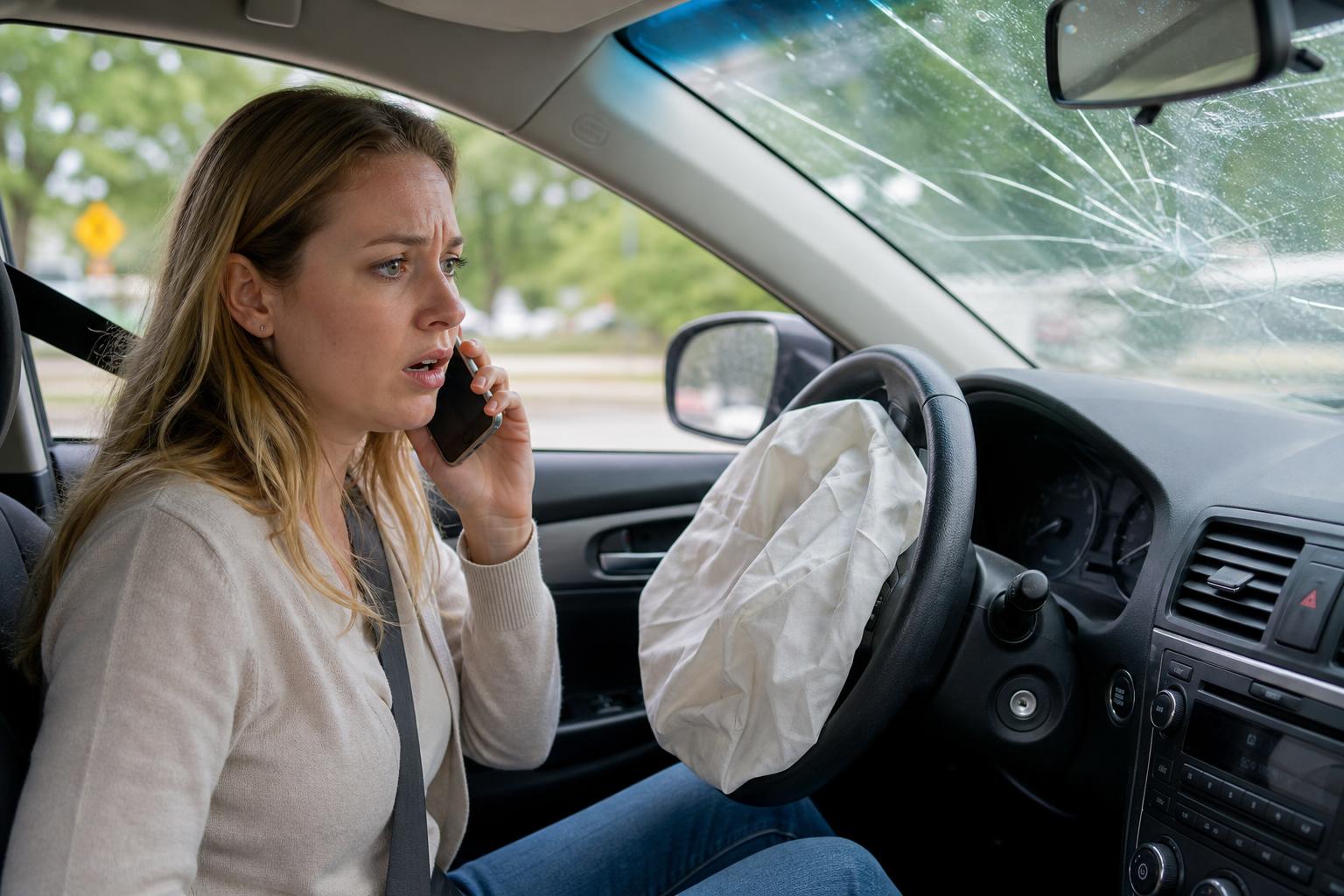
The moments, hours, and days immediately following a car accident are the most critical period of your entire insurance claim. The decisions you make — and the mistakes you avoid — in the first 72 hours after a car accident will directly determine how much compensation you receive, how smoothly your claim proceeds, and whether you have the evidence you need to protect your rights.
This is the complete timeline. For specific moments, see our companion guides: what to do immediately at the scene, the quick car accident claim-protection checklist, how the insurance claim process works behind the scenes, and how to file your claim step by step.
Most drivers are completely unprepared for this period. They are shocked, shaken, and overwhelmed. They make decisions under stress that seem reasonable in the moment but cost them thousands of dollars later. They say the wrong things, miss critical documentation opportunities, and accept advice from the wrong people.
This guide walks you through every critical action and decision in the first 72 hours after a car accident — hour by hour — so that regardless of how stressful the situation feels, you know exactly what to do, what to say, and what to avoid.
The First Hour — At the Scene
What happens at the accident scene sets the foundation for everything that follows. Every action you take in the first hour matters.
Immediately After Impact — The First Few Minutes
Check for Injuries First. Before anything else, check yourself and your passengers for injuries. If anyone is seriously injured, do not move them unless there is an immediate danger such as fire or oncoming traffic. Moving an injured person unnecessarily can worsen spinal or head injuries.
Call 911. Call 911 immediately regardless of how minor the accident appears. This accomplishes two critical things: it ensures emergency medical help is dispatched if needed, and it initiates an official police response that will result in a police report — one of the most important documents in any insurance claim.
Do not let the other driver talk you out of calling police. Do not agree to handle things privately without a police report. A private settlement without documentation almost always works against the less-at-fault party.
Move to Safety If Possible. If your vehicle is drivable and remaining in its current position creates a hazard for other traffic, move it to the side of the road. Turn on your hazard lights. If you cannot move the vehicle, stay inside with your seatbelt fastened until help arrives — unless the vehicle poses an immediate danger.
Do Not Admit Fault. This cannot be stressed enough. Do not apologize. Do not say you did not see the other vehicle. Do not say anything that could be interpreted as accepting responsibility for the accident. Even a casual "I'm sorry" can be used against you in insurance negotiations and legal proceedings.
Fault determination is a complex process involving traffic laws, road conditions, vehicle positions, and witness accounts. What seems like your fault in the immediate aftermath may not be legally or financially.
While Waiting for Police — Document Everything
Photograph the Scene Extensively. Use your phone to document everything before vehicles are moved. Take photographs of:
- All vehicle damage from multiple angles
- The overall accident scene including road conditions and traffic signs
- Skid marks, debris fields, and fluid spills
- The position of both vehicles relative to lane markings
- Any visible injuries
- Weather conditions
- Traffic control devices such as signals and stop signs
More photographs are always better than fewer. You cannot go back and recreate the scene after vehicles have been moved.
Collect the Other Driver's Information. Obtain and photograph the driver's license, vehicle registration, insurance card (including policy number and insurance company name), license plate number, and the vehicle make, model, year, and color.
Get Witness Information. If there are witnesses to the accident, collect their names and phone numbers before they leave. Witnesses are valuable — and they disappear quickly. A witness who saw the other driver run a red light or get distracted by their phone could be the deciding factor in a disputed liability claim.
Do Not Discuss the Accident in Detail. Limit your conversation at the scene to exchanging necessary information. Do not give a detailed account of what happened to the other driver, their passengers, or bystanders. Do not speculate about causes. Wait for the police officer and give your account to them.
When Police Arrive
Cooperate Fully With the Officer. Give the responding officer a clear, factual account of what you observed. Stick to what you directly saw and experienced. Do not speculate or theorize.
Request the Police Report Number. Before the officer leaves, get the report number and the officer's name and badge number. You will need the report number to obtain the full report later.
Note Whether the Other Driver Receives a Citation. If the other driver receives a traffic citation, note what it was for. This information supports your claim that the other driver was at fault.

Hours 1 to 6 — Medical Evaluation
This is the most important step most accident victims skip — and the one they most regret skipping.
Seek Medical Attention Even If You Feel Fine
Adrenaline is a powerful physiological response. In the immediate aftermath of a car accident, your body releases adrenaline that can completely mask pain, discomfort, and even serious injury symptoms. Many accident victims genuinely feel fine at the scene — and then wake up the next morning unable to move their neck.
Common injuries that do not produce immediate symptoms include:
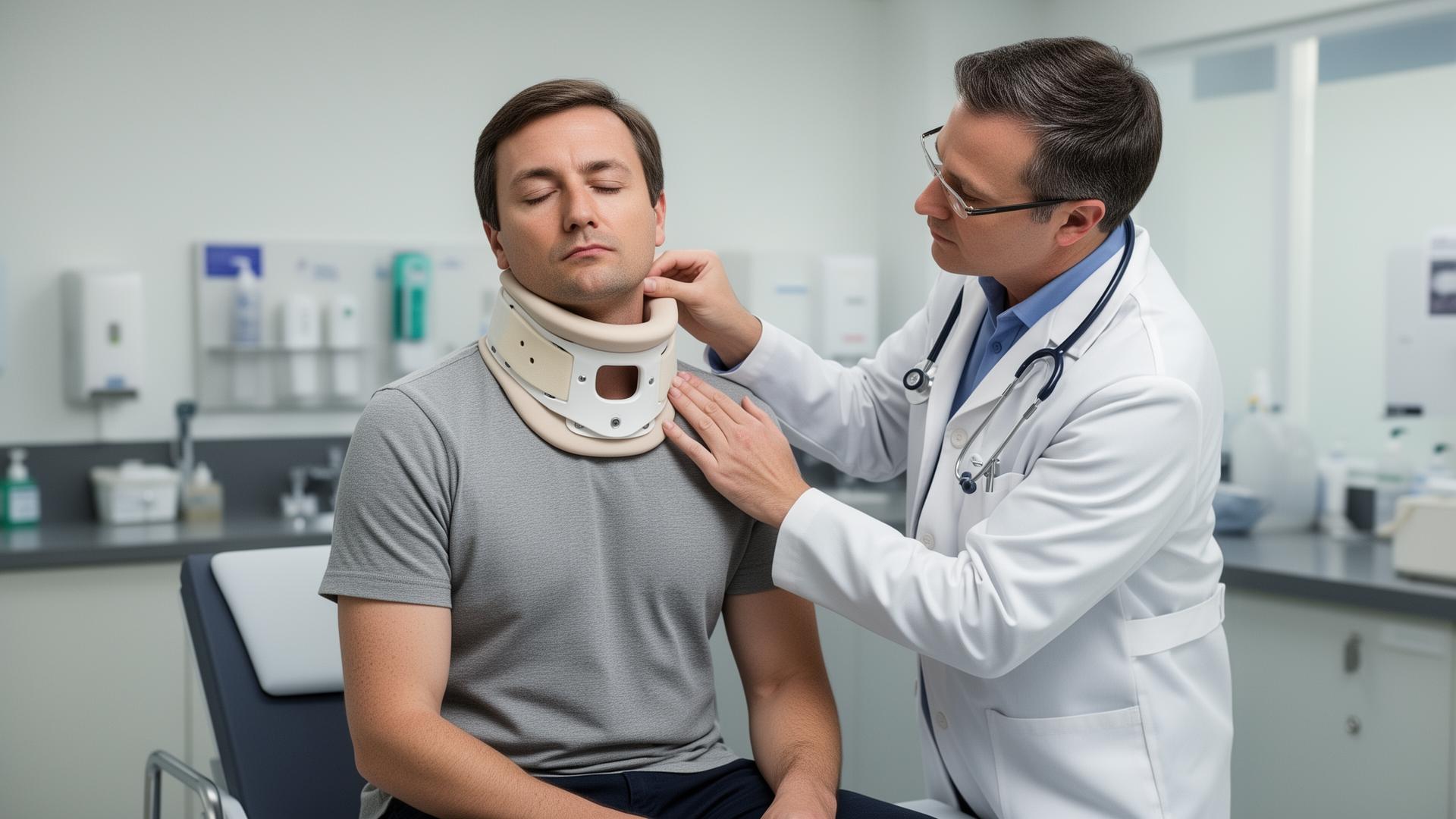
Whiplash. Whiplash is the most common car accident injury and one of the most deceptive. Symptoms — neck pain, stiffness, headaches, shoulder pain — often do not appear for 24 to 48 hours after the accident. By then, many victims have already told the insurance company they feel fine.
Soft Tissue Injuries. Muscle strains, ligament sprains, and other soft tissue injuries frequently present no immediate symptoms. They can develop into chronic pain conditions if not properly diagnosed and treated.
Concussion and Traumatic Brain Injury. Concussions do not always involve loss of consciousness. Symptoms including headache, confusion, memory problems, and mood changes can appear hours or days after the impact.
Internal Injuries. Internal bleeding and organ damage are among the most dangerous delayed-onset injuries from car accidents. Symptoms may not appear until hours after the accident — by which time the situation can be life-threatening.
Spinal Injuries. Back and spinal injuries may present initially as mild discomfort that worsens significantly over the following days.
Why Immediate Medical Evaluation Matters for Your Claim
Beyond your health, there is a critical insurance reason to seek medical attention immediately. Insurance companies use gaps in medical treatment as evidence that your injuries were not serious or were not caused by the accident.
If you wait three or four days to see a doctor, the insurance adjuster will argue that if your injuries were genuinely caused by the accident and were serious, you would have sought treatment immediately. This argument — frustratingly — is often effective in reducing claim payouts.
A medical evaluation on the day of the accident or the following day creates an official record directly connecting your injuries to the accident. This documentation is one of the most powerful pieces of evidence in your claim.
Where to Seek Medical Evaluation
Emergency Room. For any symptoms suggesting serious injury — significant pain, difficulty breathing, dizziness, confusion, or loss of consciousness — go directly to an emergency room.
Urgent Care Center. For less acute symptoms, an urgent care center can provide a prompt evaluation and create an official medical record of your post-accident condition.
Primary Care Physician. If you have an established relationship with a primary care doctor, contact their office immediately and explain that you were in a car accident and need to be seen as soon as possible.
What to Tell the Doctor. Tell the medical provider that you were in a car accident. Be specific about what happened and describe every symptom you are experiencing, no matter how minor it seems. The more comprehensive your initial medical record, the stronger your insurance claim.
Hours 6 to 24 — Notifications and Initial Documentation
Notify Your Insurance Company
Contact your own insurance company within 24 hours of the accident. This is almost always a requirement under your policy terms — failure to promptly notify your insurer can complicate your claim.
When you make this call: report the accident factually and briefly, provide the police report number, provide the other driver's insurance information, do not speculate about fault, and do not provide a detailed recorded statement at this point — tell them you are still gathering information and will provide a full statement once you have done so.
Do Not Contact the Other Driver's Insurance Company Yet
The at-fault driver's insurance company may contact you quickly — sometimes within hours of the accident. They will be friendly and professional. They will want to take a recorded statement.
Do not give it.
You are not legally required to give a recorded statement to the other driver's insurance company. A recorded statement made within 24 hours of the accident — before you fully understand your injuries, before you have the police report, before you have consulted anyone — is one of the most effective ways for insurance companies to reduce your payout. For the exact wording to use, see our guide on what to say to your insurance adjuster.
Tell them: "I am not in a position to give a statement at this time. I will be in touch once I have had an opportunity to review the situation."
Begin Your Documentation System
Set up a dedicated folder — physical or digital — for all accident-related documents. Organize it from the start. This folder will grow significantly over the coming weeks and months, and having everything organized will be invaluable when you negotiate your settlement.
Start collecting the police report number and officer's information, all photographs from the scene, medical records and bills from your initial evaluation, the other driver's insurance information, witness contact information, and any communications from insurance companies.
Start Your Injury Journal
Begin a daily written record of your physical symptoms, pain levels, and the ways your injuries are affecting your daily life. Write an entry every single day.
Your injury journal should document your pain level on a scale of 1 to 10, specific areas of pain or discomfort, activities you were unable to perform due to your injuries, how your sleep has been affected, your emotional state — anxiety, fear of driving, depression — and any medications you are taking and their effects.
This journal becomes evidence of your pain and suffering damages — and evidence that insurance company formulas often fail to fully capture. A detailed, consistent journal written from day one is significantly more powerful than one started weeks after the accident.
Hours 24 to 48 — Follow-Up Medical Care and Claim Development
Follow Up With Your Doctor
If your initial evaluation recommended follow-up appointments, make them immediately. Do not let financial concerns or scheduling difficulties cause gaps in your medical treatment.
Every gap in treatment — every missed appointment, every week without documented medical care — becomes ammunition for the insurance company to argue that your injuries were not serious.
Obtain the Police Report
Contact the police department that responded to your accident and request a copy of the full police report. In most jurisdictions, reports are available within 24 to 72 hours of the accident.
Review the report carefully when you receive it. Check that all factual information is accurate, that both drivers' information is correctly recorded, whether the other driver received a citation, and the officer's assessment of how the accident occurred.
If there are factual errors in the report, contact the reporting officer promptly to request a correction.
Arrange Vehicle Inspection and Repair
Contact your insurance company to arrange an inspection of your vehicle. You have the right to use a repair shop of your choosing — you are not required to use the insurer's preferred shop, though some insurers offer incentives to do so.
Get at least two independent repair estimates before agreeing to any repairs. If your vehicle may be a total loss, do not rush this process — the actual cash value determination and total loss negotiation is a separate process with its own strategy.
Research Your Coverage
Pull out your insurance policy and read the sections relevant to your accident. Understand exactly what coverages you have, what your deductibles are, and what the claims process requires from you.
Pay particular attention to your collision and comprehensive coverage limits and deductibles, your uninsured and underinsured motorist coverage limits, your medical payments or personal injury protection coverage, your rental car coverage limits and duration, and any notification deadlines specified in your policy.

Hours 48 to 72 — Strategic Preparation
Consult a Car Accident Lawyer
By 48 to 72 hours after the accident, you have enough information to have a productive consultation with a car accident lawyer. Almost all car accident lawyers offer free initial consultations and work on contingency — meaning no upfront cost.
A consultation at this stage is valuable even if you ultimately decide to handle your claim yourself. A lawyer can assess the value of your claim based on your documented losses, identify coverage sources you may not have considered, advise you on how to handle communications with insurance adjusters, explain your state's statute of limitations and other legal deadlines, and advise you on whether the complexity of your case warrants representation.
For serious injuries, disputed liability, or any situation involving an uninsured or underinsured driver, hiring a lawyer at this early stage almost always results in significantly better outcomes.
Compile Your Initial Damage Summary
By 72 hours after the accident, compile a preliminary summary of your documented losses. This is not your final settlement demand — it is an early accounting of what you know so far.
Include emergency medical costs incurred to date, estimated future medical costs based on your doctor's initial assessment, lost wages for any days of work you have missed, vehicle repair estimates or total loss assessment, and rental car costs incurred.
This summary will grow as your treatment continues and your losses become more fully documented. But having an organized preliminary accounting within 72 hours puts you in a fundamentally stronger position than most accident victims who have no organized documentation at all.
Prepare for the Insurance Adjuster's Call
By 72 hours after the accident, both your own insurer and the other driver's insurer will likely be attempting to reach you. Prepare yourself for these conversations.
Know what you will and will not say. Know that you do not have to give a recorded statement today. Know that you have the right to take time to review any settlement offer. Know that the adjuster's friendly tone does not mean they are on your side. If they present an early number, see our breakdowns on responding to a lowball insurance settlement offer and how to negotiate an insurance settlement before you reply.
If you have retained a lawyer, all communications should go through them from this point forward.
The 72-Hour Checklist
Use this checklist to confirm you have completed every critical step.
At the Scene:
- Called 911 and filed a police report
- Photographed all damage, the scene, and visible injuries
- Collected the other driver's insurance and contact information
- Collected witness contact information
- Did not admit fault or apologize
- Got the police report number
Within 6 Hours:
- Sought medical evaluation
- Told the doctor about every symptom
- Started organizing accident documentation
Within 24 Hours:
- Notified your own insurance company
- Declined to give a recorded statement to the other driver's insurer
- Started your daily injury journal
- Set up your documentation folder
Within 48 Hours:
- Obtained the police report
- Followed up with medical care
- Arranged vehicle inspection
- Reviewed your insurance policy coverage
Within 72 Hours:
- Consulted or considered consulting a car accident lawyer
- Compiled preliminary damage summary
- Prepared for adjuster communications

Key Takeaways
- The first 72 hours after a car accident are the most critical period for your health and your claim
- Seek medical attention immediately even if you feel fine — adrenaline masks injuries and delays create gaps that insurance companies exploit
- Never admit fault, apologize, or give a recorded statement to the other driver's insurer in the first 72 hours
- Start your daily injury journal from day one — not weeks later
- Photograph everything at the scene before vehicles are moved
- Notify your own insurance company within 24 hours but take your time before giving detailed statements
- Consult a car accident lawyer within 72 hours for any serious injury, disputed liability, or uninsured driver situation
- Every gap in documentation and medical treatment becomes ammunition for insurance companies to reduce your payout
Conclusion
The first 72 hours after a car accident feel chaotic, stressful, and overwhelming. In the middle of that chaos, it is easy to make decisions that seem reasonable but have serious long-term consequences for your health and your financial recovery.
The drivers who come out of car accidents in the strongest position — medically, financially, and legally — are not necessarily the ones with the most favorable circumstances. They are the ones who knew what to do in those critical first hours and days.
Seek medical care immediately. Document everything. Protect your words carefully. Start your injury journal from day one. And do not hesitate to get professional help if your situation is complex.
The actions you take in the first 72 hours are the foundation everything else is built on. Build that foundation carefully.
Frequently asked questions
What if I did not call the police at the scene — is it too late?+
If no police report was filed at the scene, you can still file a report at your local police station within a few days in most jurisdictions. Some states allow online accident reports for non-injury accidents. Contact your local police department to understand your options. A delayed report is better than no report for insurance purposes.
Should I accept a quick settlement offer made within 72 hours of the accident?+
Almost certainly not. Quick settlement offers made in the first few days are almost always the lowest offers you will receive and are made before you understand the full extent of your injuries and losses. Many serious injuries — including those requiring surgery or long-term treatment — are not apparent within 72 hours. Never accept a settlement before your medical treatment is complete and your doctor has given a clear prognosis.
What if the other driver is uninsured?+
If the other driver has no insurance, your own uninsured motorist coverage is your primary protection. Notify your own insurance company immediately, file a police report documenting the other driver's lack of insurance, and consult a car accident lawyer about your options. Do not let the other driver talk you out of filing a claim.
Do I have to give a recorded statement to my own insurance company?+
Your policy likely requires you to cooperate with your insurer's investigation, which may include providing a statement. However, you generally have the right to consult a lawyer before giving any recorded statement — even to your own insurer. For serious injury cases, having a lawyer present or advising you before any recorded statement is strongly recommended.
Continue reading
Sources
Have you ever filed a car insurance claim?
Share your experience or send us a tip — we read every email, and your input helps shape what we cover next.
Send us your storyMore from Crash & Cover

How to File a Claim Against the Other Driver's Insurance
If another driver caused your accident, you can file a third-party claim directly with their insurer. Here's how the process works, what to expect, and when to involve your own insurance.
Crash & Cover Editorial Team · Jul 3, 2026 · 8 min

How to File a Comprehensive Insurance Claim (Hail, Flood, Theft, and Animal Strikes)
Comprehensive coverage pays for hail, flood, theft, vandalism, fire, falling objects, and animal strikes — but not collisions. Here is exactly what qualifies, how to file, and what it does to your rate.
Crash & Cover Editorial Team · Jun 21, 2026 · 11 min
What Is a Diminished Value Claim — and Can You File One?
Even after perfect repairs, a car with an accident on its history is worth less. Here's how diminished value claims work, who qualifies, and how to push back on low offers.
Crash & Cover Editorial Team · Jun 15, 2026 · 11 min