Car Accident Claims
Can I Reopen a Car Accident Claim After I've Settled? What Your Release Really Means
Accepting a settlement can feel like the final step — until new bills or worse injuries appear. Here is the honest answer on whether a settled claim can be reopened, the narrow exceptions, and why prevention matters far more than regret.
By Crash & Cover Editorial Team · June 12, 2026 · 10 min read
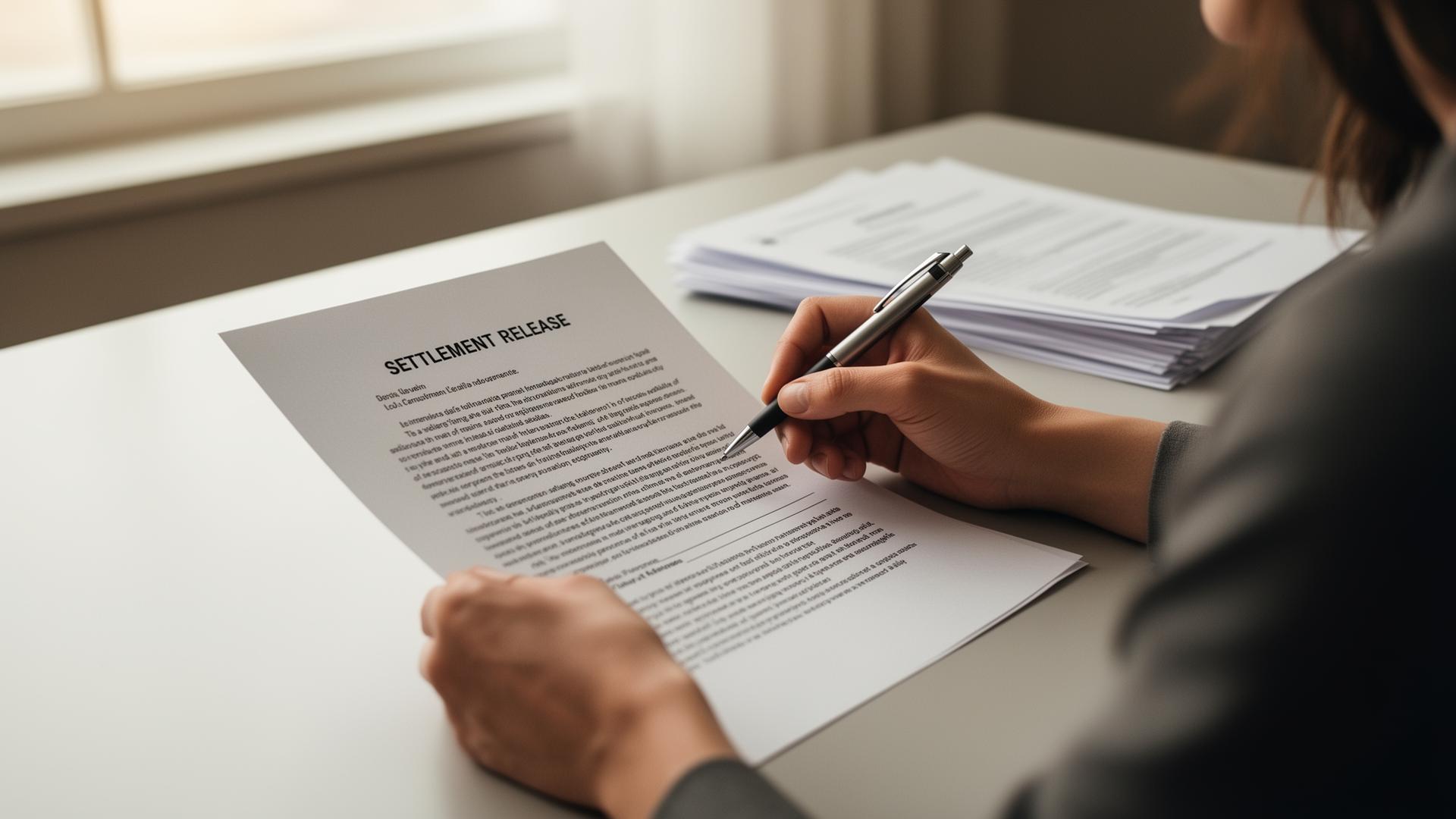
Quick answer: In most cases, no. Once you sign a release of liability and accept a car accident settlement, the claim is permanently closed — usually even if your injuries turn out worse than expected, because release forms typically cover both "known and unknown" injuries. A settlement can be undone only in narrow situations such as fraud, mutual mistake, duress, or a signer who lacked legal capacity, and only with strong evidence. The best protection is to not sign until your treatment and total losses are fully known.
Key takeaways
- A signed release is a binding contract; it normally ends the claim for good.
- Worse-than-expected injuries usually do NOT let you reopen, because releases cover "known and unknown" injuries.
- Narrow exceptions exist: fraud or concealment, mutual mistake, duress or lack of legal capacity, minors without court approval, and a settlement you never actually signed.
- A release only covers the parties named in it — you may still have a separate claim against a different at-fault party.
- Prevention beats regret: don't sign until you've reached maximum medical improvement and understand your full losses.
The General Rule: A Signed Release Usually Closes the Claim for Good
When you settle a car accident claim, you almost always sign a "release of liability" — a contract in which you accept a sum of money in exchange for giving up the right to seek anything more from the parties named in it. Courts treat that release as final. In the vast majority of cases, once it is signed and the payment clears, the claim is closed permanently and cannot be reopened.
This finality is intentional. Settlements exist to end disputes for good, so courts are reluctant to undo them. "I wish I had asked for more" or ordinary buyer's remorse is not a legal basis to reopen a settled claim.
Why "My Injuries Got Worse" Usually Isn't Enough
This is the most common reason people want to reopen a claim — and the hardest to act on. You settle believing you had a minor strain, and months later you learn it is a herniated disc that needs surgery. It feels deeply unfair, but most release forms specifically state that you are releasing all claims for all injuries, "whether known or unknown."
That language matters: by signing, you legally accept the risk that your injuries may turn out to be worse than they appeared at the time. That is exactly why finishing your treatment before settling is so important.
The Narrow Exceptions That Can Undo a Settlement
Reopening is difficult but not always impossible. The commonly recognized exceptions include:
- Fraud, misrepresentation, or concealment — if the other party or the insurer lied about or hid material facts that led you to settle.
- Mutual mistake — if both sides were wrong about a key fact. A mistake only you made (a "unilateral mistake") is generally not enough.
- Duress, coercion, or lack of capacity — if you were pressured, did not understand what you were signing, or lacked the legal capacity to contract (for example, due to a language barrier or incapacity).
- A minor's settlement without court approval — settlements involving minors usually require a court to sign off; if the proper process wasn't followed, the release may be reviewable.
- No signed release — if you only verbally agreed to terms but never signed a release, you may still be able to retract.
All of these require strong evidence and, usually, a court motion to set the release aside. Courts scrutinize these requests carefully because finality is the whole point of a settlement.
A Different Path: Claims Against Other Parties
A release only binds the specific parties it names. If your investigation later shows that someone else also shares fault — another driver, an employer, a vehicle or parts manufacturer, or a government entity responsible for the road — you may still have a separate claim against that party. That is not "reopening" the old settlement; it is a new claim against someone you never released. An attorney can help identify whether another responsible party exists.
What to Do If You Think You Have a Case
If you believe one of the narrow exceptions applies, time matters. Your state's statute of limitations for the underlying claim still runs, and courts disfavor delay. Practical steps include gathering your settlement documents and the release, collecting medical records and any correspondence that shows misrepresentation or pressure, and consulting an attorney for an honest assessment before spending energy on a long-shot.
A reputable attorney will tell you the truth: in most situations, after reviewing the release and the facts, the claim cannot be reopened. In the rare case that a legitimate exception exists, that same honest assessment is what tells you it is worth pursuing. If your claim was instead denied (not settled), that is a different process — see how to fight a denied car insurance claim.
The Real Lesson: Don't Sign Too Soon
Because reopening is so hard, the most valuable protection happens before you sign. Reach maximum medical improvement (or get a clear prognosis of future treatment) so you understand the full cost of your injuries, never accept a first offer under financial pressure, and make sure the figure accounts for future as well as current losses. Insurers often push for a fast signature precisely because the release is final — see the release-signing tactic in our insurance adjuster playbook, and our guide to responding to a lowball offer.
The Bottom Line
A signed settlement release is almost always final — worse-than-expected injuries usually will not reopen it, because you released "known and unknown" claims. Narrow exceptions like fraud, mutual mistake, duress, or a minor's unapproved settlement may apply, but only with strong evidence and quick action. The dependable protection is to settle only once you know the full extent of your injuries and losses.
Frequently asked questions
Can I reopen a car accident claim after signing a release?+
Usually no. A signed release is a binding contract that closes the claim, even if your injuries later worsen. Reopening is possible only in narrow cases such as fraud, mutual mistake, duress, or a signer who lacked legal capacity — and only with strong evidence.
What if my injuries got worse after I settled?+
Generally you still cannot reopen the claim, because most releases cover "known and unknown" injuries — meaning you accepted the risk that injuries could be worse than they appeared. This is why finishing treatment before settling matters so much.
Can I undo a settlement if the insurer lied or hid information?+
Possibly. Fraud, misrepresentation, or concealment of material facts is one of the recognized exceptions, but it requires strong evidence and usually a court motion to set the release aside.
Does a release stop me from suing a different at-fault party?+
No. A release only covers the specific parties named in it. If another driver, employer, manufacturer, or entity also shares fault, you may still have a separate claim against them.
How long do I have to challenge a settlement?+
There is no single deadline, but you should act quickly. Your state's statute of limitations for the underlying claim still applies, and courts disfavor delay. An attorney can tell you the deadline in your state.
Continue reading
Sources
Have you ever filed a car insurance claim?
Share your experience or send us a tip — we read every email, and your input helps shape what we cover next.
Send us your storyMore from Crash & Cover

How to File a Claim Against the Other Driver's Insurance
If another driver caused your accident, you can file a third-party claim directly with their insurer. Here's how the process works, what to expect, and when to involve your own insurance.
Crash & Cover Editorial Team · Jul 3, 2026 · 8 min

How to File a Comprehensive Insurance Claim (Hail, Flood, Theft, and Animal Strikes)
Comprehensive coverage pays for hail, flood, theft, vandalism, fire, falling objects, and animal strikes — but not collisions. Here is exactly what qualifies, how to file, and what it does to your rate.
Crash & Cover Editorial Team · Jun 21, 2026 · 11 min
What Is a Diminished Value Claim — and Can You File One?
Even after perfect repairs, a car with an accident on its history is worth less. Here's how diminished value claims work, who qualifies, and how to push back on low offers.
Crash & Cover Editorial Team · Jun 15, 2026 · 11 min